
Why Old Poker TV Still Beats Most Modern Gambling Content
Modern gambling content moves fast.
Clips. Shorts. Reaction videos. Bad beat compilations. Influencers screaming over a blackjack hand like civilization depends on the river card. Everything is louder, shorter, and somehow less useful.
Old poker TV was different.
It was slower. Tenser. More human. You saw the table breathe. You watched players think. You heard commentators explain ranges, pressure, pot odds, tells, and timing without trying to sell you a “guaranteed strategy” in the next 12 seconds.
That is why Poker Channel Europe still matters.
It was part of a poker era where the game felt cinematic, strategic, and weirdly intimate. You were not just watching cards. You were watching decisions.
And that is still the best part of poker.
Poker TV Made Patience Watchable
Poker is not built like a highlight sport.
Football has goals. Basketball has dunks. MMA has knockouts. Poker has someone tanking for three minutes with king-high while another person stares at felt like it owes them money.
That should be boring.
But good poker broadcasts made it work.
They understood that the drama was not only in the showdown. It was in the silence before the bet. The chip cut. The hesitation. The player trying to look calm while internally negotiating with the gambling gods.
Modern clips often skip straight to the all-in moment. That is fun, but it misses the meat.
The real story is how the hand got there.
The Commentary Actually Taught You Something
Old poker commentary had a job: make the table understandable.
Good commentators did not just shout “wow” after the river. They explained why a call was thin, why a bluff made sense, why position mattered, why stack depth changed everything, and why one player’s line looked strong or suspicious.
That mattered because poker is not obvious to new viewers.
Two players can have the same cards and make completely different decisions depending on position, opponent type, tournament stage, bet sizing, and table image.
A good broadcast turned invisible strategy into visible drama.
That is a rare skill.
Modern gambling content often gives you outcomes. Old poker TV gave you context.
You Saw Real Personalities, Not Just Brands
Poker players were not polished content machines.
They were strange, brilliant, stubborn, emotional, disciplined, reckless, quiet, loud, funny, tilted, unreadable, and occasionally dressed like they packed in the dark.
That was part of the charm.
The table had characters. The grinder. The speech-play merchant. The silent killer. The young online crusher. The old-school live pro. The satellite qualifier trying not to blink. The rich amateur who somehow had every chip in the room and no fear of death.
You could learn from all of them.
Not because every player was perfect. Far from it. But because you saw different styles collide in real time.
Poker TV showed personality through decisions, not bios.
Bad Beats Hit Harder When You Knew the Setup
A bad beat clip is easy content.
Big hand. Brutal river. Someone suffers. Internet laughs. Next video.
But old poker TV made bad beats hit harder because you knew what was at stake.
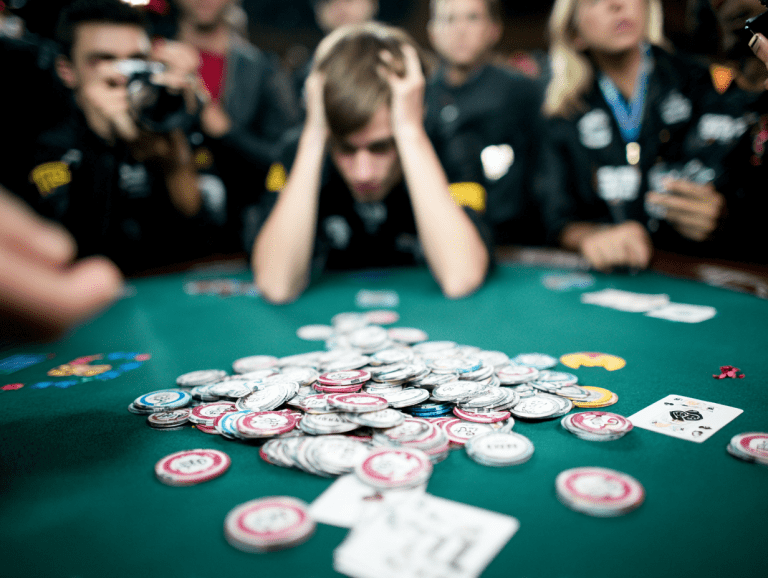
You saw the previous hands. You understood the tournament pressure. You knew the stack sizes. You knew the player had waited patiently for the right spot. Then the deck kicked them directly in the teeth.
That context matters.
A one-minute clip can show the pain. A full broadcast shows the tragedy.
Poker is full of variance, but variance feels different when you watch the decision process first.
That is the lesson: you can make the right play and still lose.
Poker teaches that better than almost anything.
Poker TV Was the Original Strategy Content
Before solver charts took over everyone’s brain, poker TV was where many players first learned the game.
You learned basic hand strength. You learned position. You learned why aggression matters. You learned that top pair is not a pension plan. You learned that calling because you are “curious” is an expensive hobby.
The strategy was not always perfect by modern standards. Poker has evolved massively. Solver work changed how players think about balance, bet sizing, and range construction.
But the fundamentals were there.
More importantly, the broadcasts made people care enough to learn.
That is the real achievement.
Modern Content Is Faster, But Not Always Smarter
Today’s poker and gambling content has advantages.
More data. Better training tools. Solver study. Hand history reviews. Livestreams. Real-time chat. Faster analysis. More access to players and coaches.
That is great.
But speed can flatten everything.
When every hand becomes a clip, poker starts looking like a slot machine with sunglasses. Hit big. Lose big. React big. Repeat.
That misses the point.
Poker is a decision game. The best content should help viewers understand decisions, not just react to outcomes.
Old poker TV was not perfect, but it usually respected the hand.
What Modern Poker Content Should Steal From Old Broadcasts
Modern creators do not need to copy the old format exactly. Nobody needs a smoky studio intro unless they really commit to the bit.
But they should steal the good stuff:
• Show the full hand, not just the river.
• Explain stack sizes and position.
• Give viewers the player’s likely range.
• Discuss the decision before revealing the result.
• Let tension breathe.
• Treat losing good decisions as teaching moments.
• Show personality without turning everything into circus content.
Poker is already dramatic. It does not need fake hype.
It needs clear storytelling.
Why the Archive Still Matters
Restored poker content is not just nostalgia.
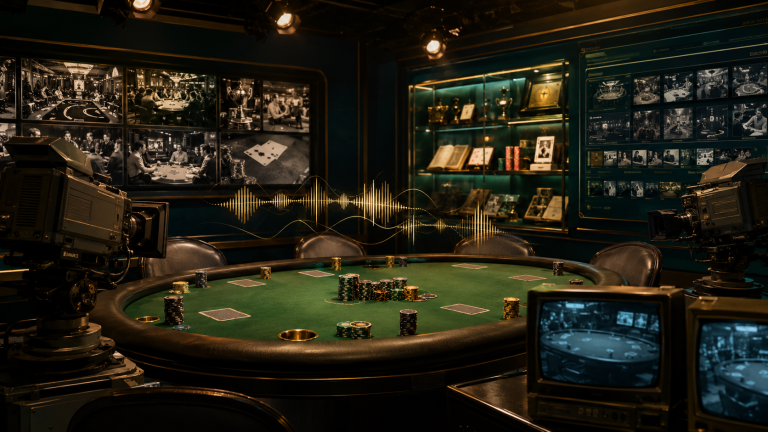
It is a record of how the game was taught, watched, and understood during a massive poker boom. It shows how European poker culture developed, how tournament coverage evolved, and how players became household names among fans who studied every televised hand.
For longtime viewers, it brings back the atmosphere.
For newer players, it shows where modern poker content came from.
That is worth preserving.
Because gambling media forgets quickly. Poker history should not.
Final Thought: The Felt Still Wins
Old poker TV worked because it trusted the game.
It did not need constant noise. It had tension, characters, mistakes, courage, discipline, and the occasional river card that ruined someone’s week.
That is enough.
Modern gambling content can be fun, but the best poker content still does one simple thing: it makes you care about the decision before the result.
That is why the old broadcasts hold up.
The cameras were slower. The graphics were simpler. The pacing was calmer.
But the poker?
Still sharp.