The Psychology of the Poker Face: Online Tells and Player Anonymity
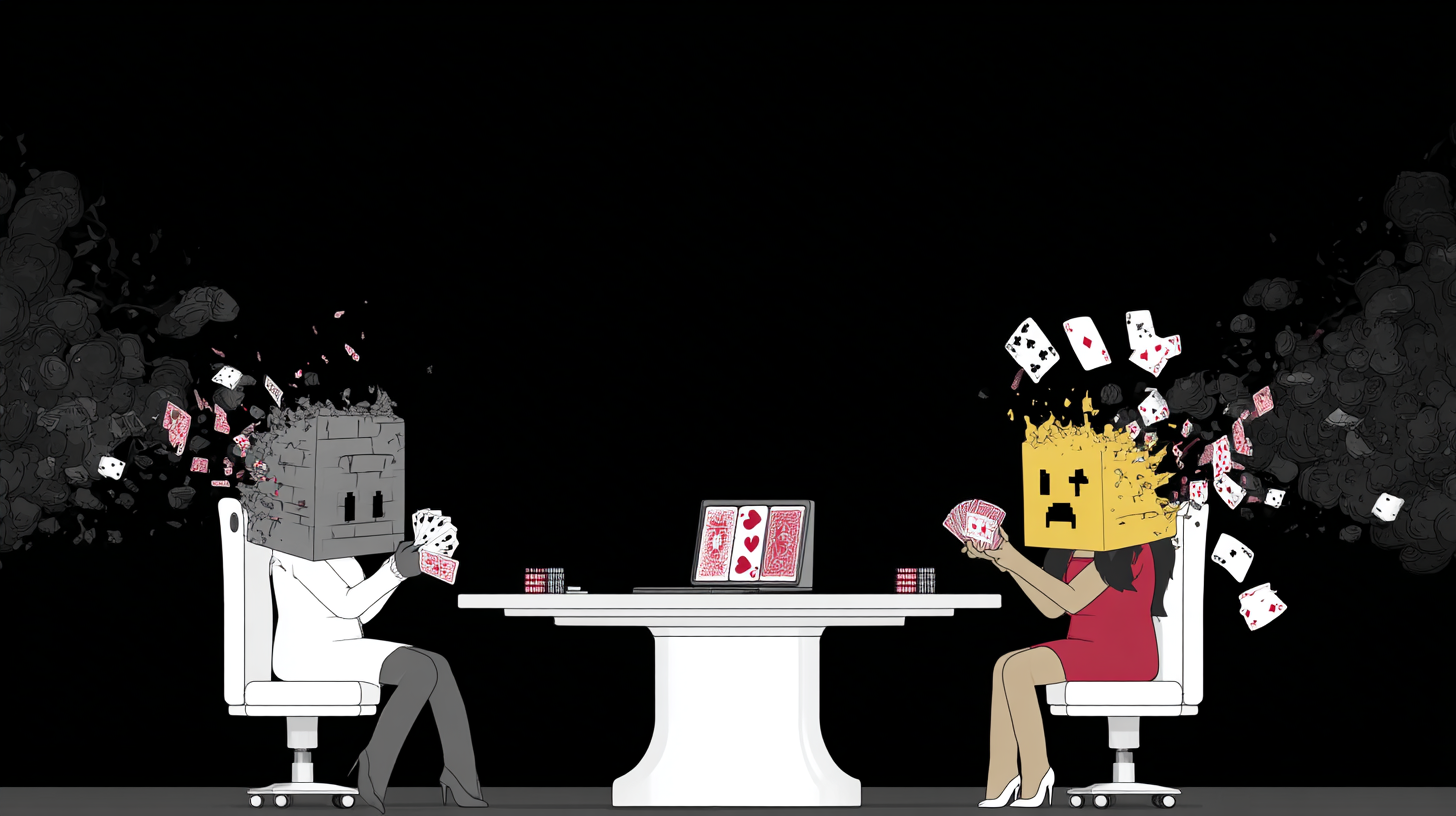
Online poker has redefined one of the game’s most iconic elements—the poker face. At a live table, subtle body language reveals as much as the cards, but in a digital setting, the signals transform into something far more nuanced. Without visible expressions or physical gestures, players betray information through timing, bet sizing, and even the way they type in chat. These “online tells” are digital breadcrumbs that, when pieced together, form a psychological map of a player’s state of mind.
At the same time, anonymity has emerged as a counterweight, allowing players to shield themselves from exploitation by presenting an unreadable digital persona. This duality—the exposure of hidden signals versus the strategic value of anonymity—defines modern online poker.
Understanding Online Tells: A Digital Version of the Poker Face
Live poker relies on observing micro-expressions, tone of voice, and chip handling. Online, those cues disappear, replaced by patterns in player actions. These tells stem from subconscious decision-making under pressure. Cognitive biases, emotional regulation, and even multitasking create inconsistencies that observant opponents can exploit.
Importantly, online tells are probabilistic rather than absolute. A delayed bet may signal hesitation, but without context, it could just be a player distracted by another screen. Tools like Heads-Up Displays (HUDs) help by aggregating thousands of hands, but even raw patterns—timing or unusual bet sizes—still rest on human psychology.
Common Digital Tells in Online Poker
Several recurring online behaviors act as digital equivalents of live-game body language:
Timing Patterns
How long a player takes to act often correlates with their hand strength. Quick folds typically indicate weak holdings requiring little thought. Instant calls may signal medium-strength hands where decisions are automatic. Long pauses can suggest bluffing anxiety or the “Hollywood” act of faking weakness with a monster hand. Studies have shown that when delays exceed 9 seconds, folds occur roughly 55% of the time compared to 47% in faster decisions.
Bet Sizing Variations
Betting patterns reveal even more. Oversized bets often represent bluffs trying to scare opponents, while tiny probing bets can be polarized—either strong hands fishing for action or weak hands testing the waters. Irregular bet sizes, like wagering $777 instead of $800, can signal either intentional trickery or unconscious habits. Over multiple sessions, these patterns form a roadmap of a player’s range.
Chat Box Behavior
Though often overlooked, the chat box is a window into emotion. Excessive chatter, use of emojis, or complaints about “bad beats” frequently correlate with tilt. A sudden shift from talkative to silent can indicate a strong hand requiring focus. Many seasoned players avoid chat altogether to reduce the risk of revealing unconscious tells.
Why These Patterns Emerge: The Psychology Behind Online Tells
The roots of online tells lie in human psychology. According to dual-process theory, quick reactions represent intuitive System 1 thinking, while long pauses reflect deliberate System 2 reasoning. Bluffers often pause longer due to anxiety, while players holding strong hands might act quickly to avoid suspicion.
Bet sizing connects to cognitive biases such as risk aversion and loss aversion. Bluffers tend to overcompensate by betting larger, hoping to force folds, while overconfident players may inadvertently signal strength.
Chat behavior reflects emotional regulation. Venting frustrations, lashing out at opponents, or abruptly going silent all betray emotional states that impact decision-making. Poker’s high-uncertainty environment magnifies these cracks in composure, creating exploitable patterns.
How Experts Exploit Online Tells
Professional players don’t just notice tells—they weaponize them. By establishing baselines for opponents’ usual actions, they identify deviations and turn them into profit. For example:
- Timing reads: If an opponent consistently quick-calls marginal hands, pros value-bet more thinly against them.
- Bet sizing reads: Oversized bets often get lighter calls, as pros recognize polarized ranges.
- Chat manipulation: Experts may provoke opponents in chat to induce tilt, then exploit their emotional vulnerability.
Analysts like Zachary Elwood highlight that these aren’t one-off guesses but pattern-based strategies. Modern stables and coaching programs train players to systematically track and exploit such behaviors over thousands of hands.
The Role of Anonymity in Crafting a Digital Poker Face
If tells are vulnerabilities, anonymity is the armor. Many platforms now offer anonymous tables, where opponents cannot track long-term statistics through HUDs. This forces every player to start fresh each session, relying only on in-the-moment reads.
Building a digital poker face means standardizing your behavior:
- Use the time bank consistently to normalize response times.
- Keep bet sizing balanced and free of unusual patterns.
- Minimize or avoid chat to prevent emotional leakage.
By eliminating tells through discipline, players become unreadable, shifting the game toward pure strategic decision-making. This mirrors the privacy ethos of Bitcoin’s pseudonymous creator, Satoshi Nakamoto—where anonymity serves as both shield and equalizer.
Why Anonymity Matters Beyond Poker
Anonymity doesn’t just help in poker—it reflects broader digital privacy concerns. Just as players seek to hide their behavioral data from opponents, individuals in the crypto economy value privacy tools that prevent overexposure of financial habits. The parallels are striking: whether it’s using a time bank in poker or a privacy coin in transactions, the principle is the same—limit what others can see to protect yourself from exploitation.
Responsible Play in the Digital Era
While anonymity can shield players, it also demands responsibility. Protecting your digital poker face should not come at the expense of ignoring healthy play habits. Learning how to set limits, maintain emotional balance, and avoid tilt is equally important. For those new to the subject, our guide on responsible gambling offers practical strategies to stay disciplined at the tables.
Additionally, anonymity shouldn’t be confused with invulnerability. Just as regulators continue to refine online gambling oversight, players need to recognize that digital privacy is not absolute. A good read on the subject is CoinDesk’s coverage of crypto regulation, which explains how anonymity and compliance constantly interact in digital spaces.
Final Thoughts: Mastering the Digital Poker Face
Online poker is a psychological battlefield. Tells still exist, but they’ve migrated from faces and voices to keystrokes and milliseconds. The best players aren’t those who simply spot patterns but those who neutralize their own signals, embracing anonymity as a strategic tool.
For casual players, this means developing awareness: your timing, bet sizing, and even chat habits can betray more than you realize. For seasoned pros, it’s about exploiting every available edge while ensuring your own play remains untraceable.
Ultimately, the psychology of online tells reinforces a timeless truth—poker is a game of information. Whether revealed through a nervous twitch or a delayed click, every action speaks. Anonymity, discipline, and awareness together form the modern poker face, giving you the edge in a world where the cards are digital but the psychology is all too human.
If you’d like to explore more about the evolving strategies in digital poker and the wider gambling ecosystem, feel free to browse our site where we cover everything from betting psychology to the future of poker in the crypto era.